 Fouled Anchor Safety

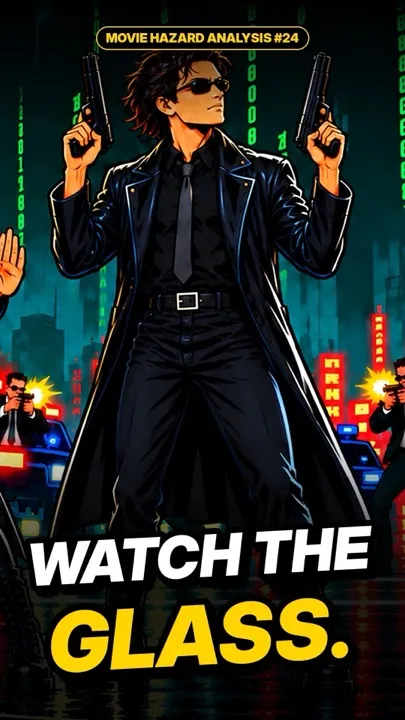
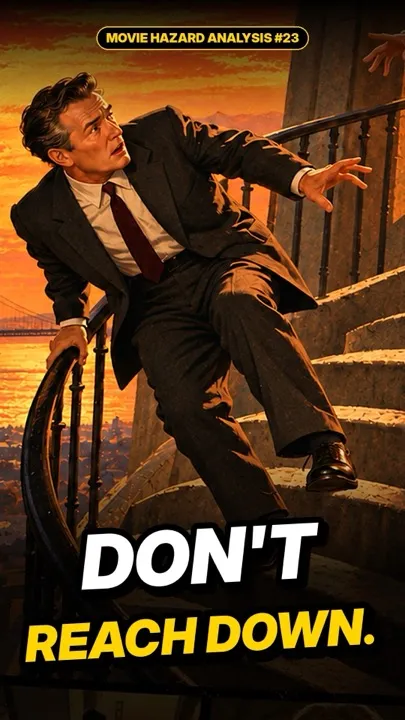
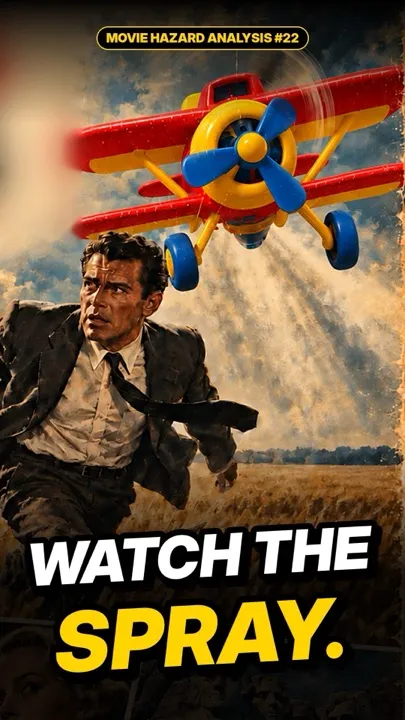
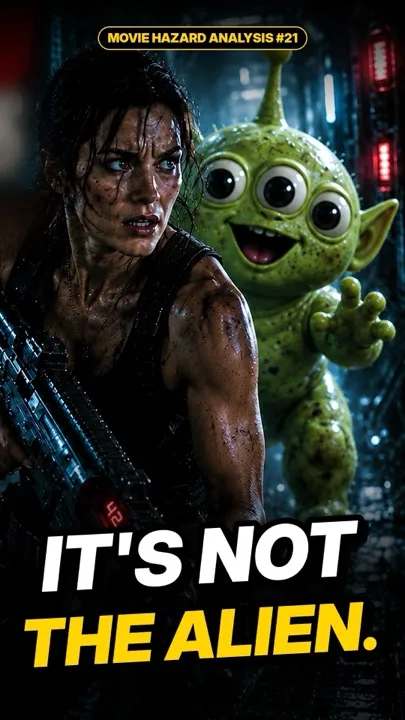
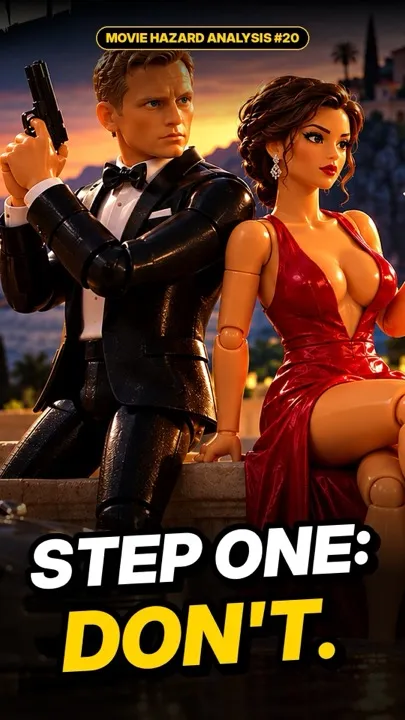
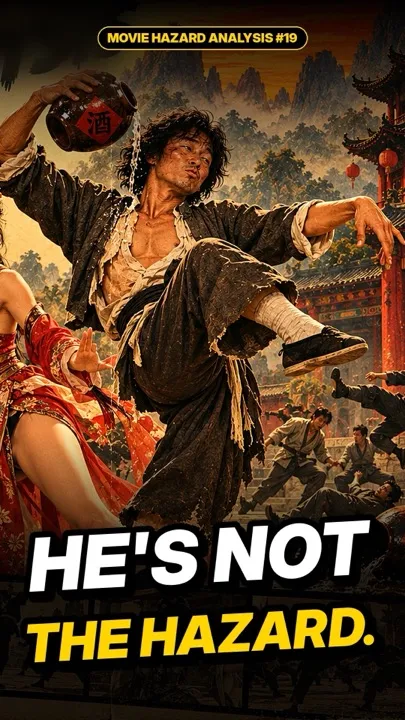
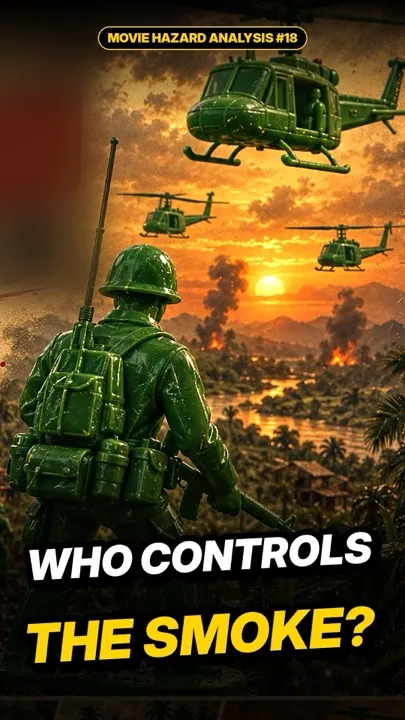
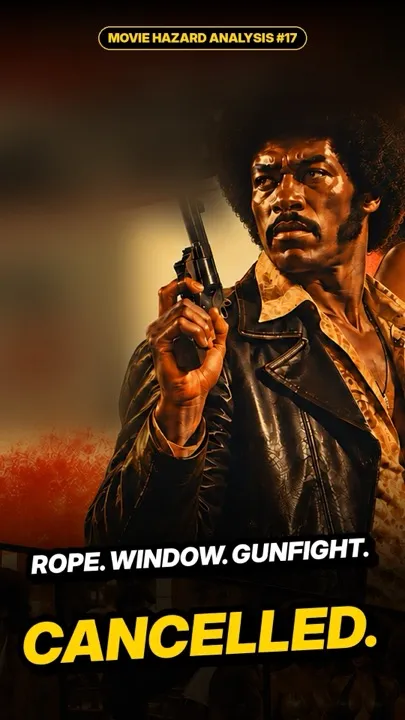

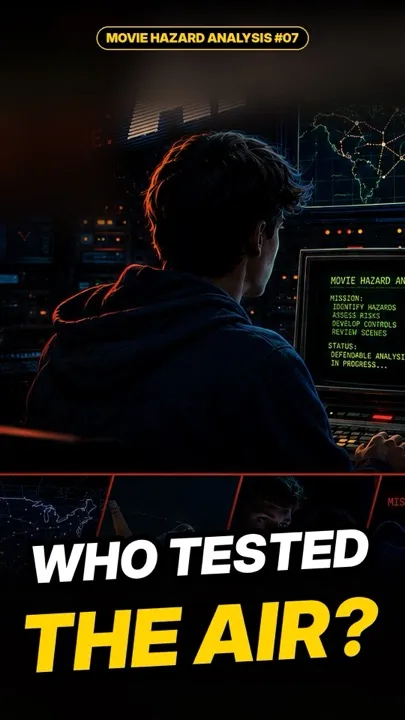
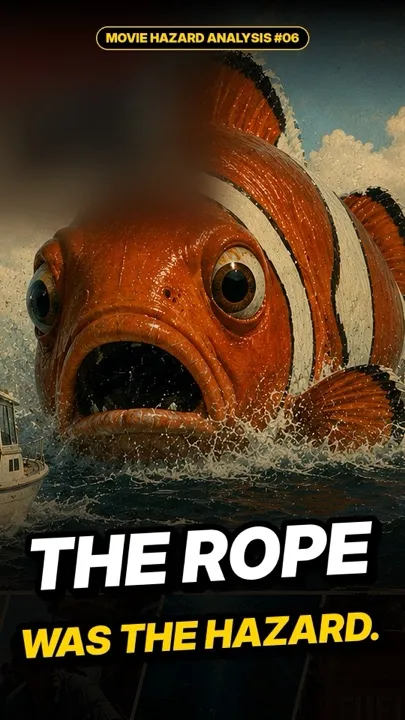
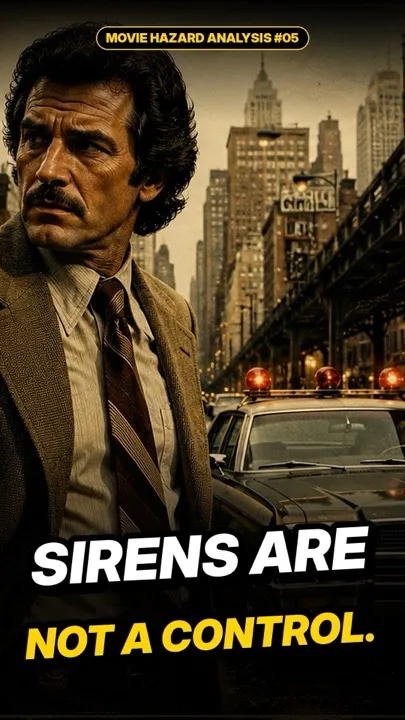

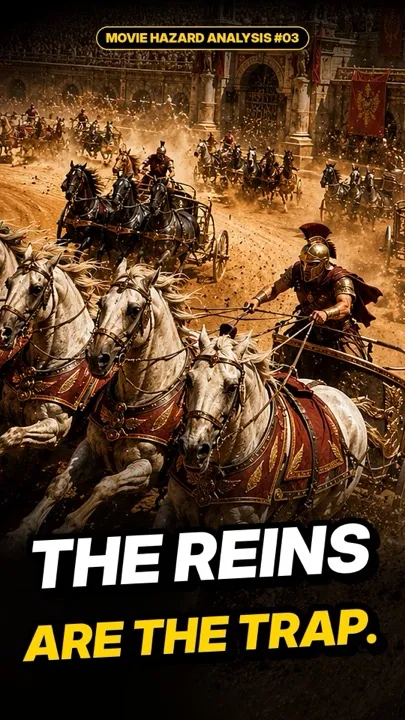
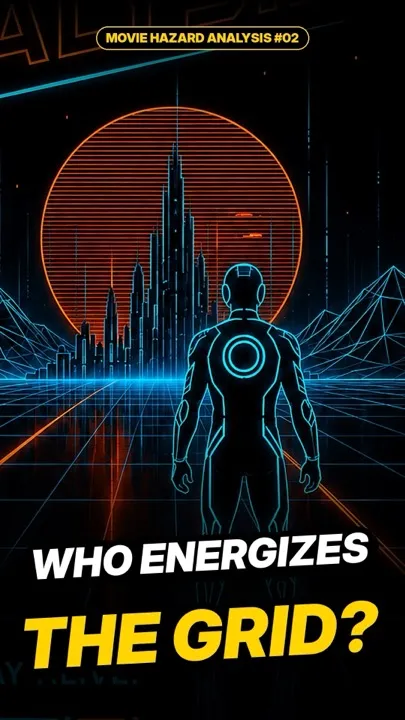
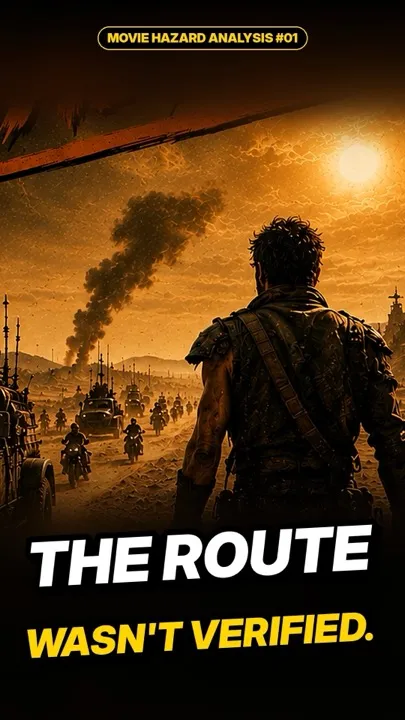
The work order
The scene is written up as a job: who is there, what they are doing, and the steps it takes. Then each step gets its hazards.
Every scene • Every risk • Stay alert • Stay alive
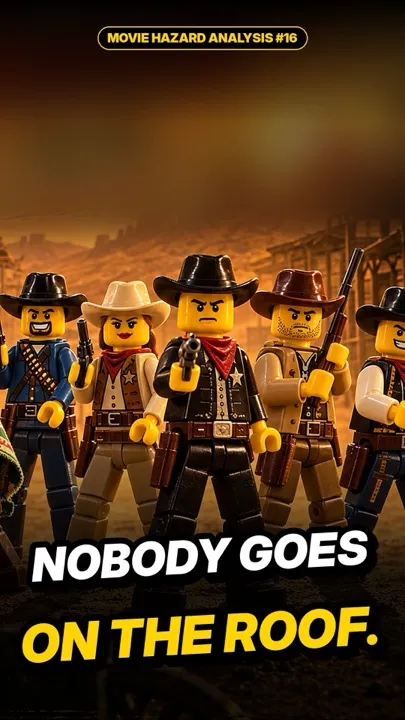
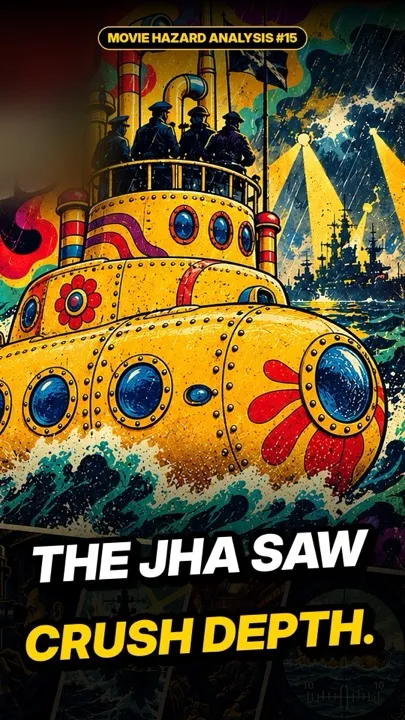
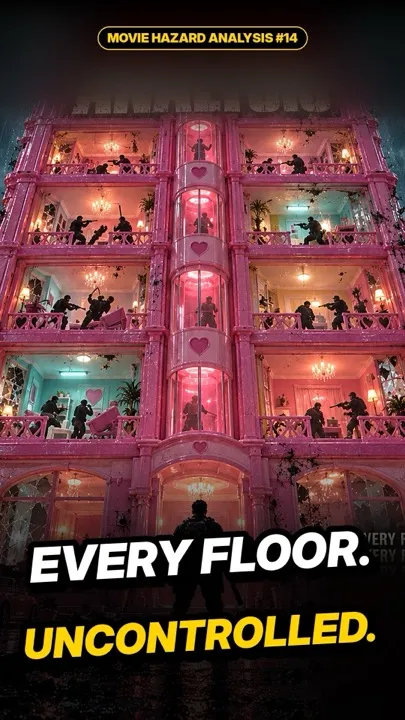
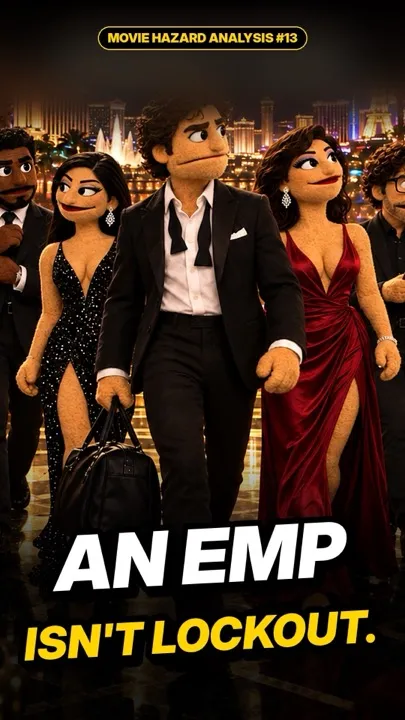
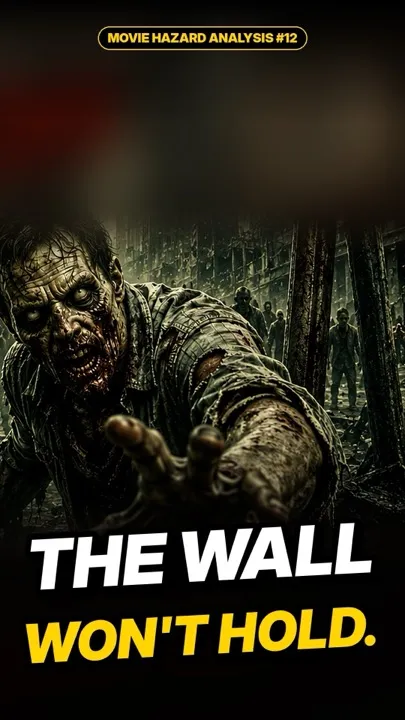
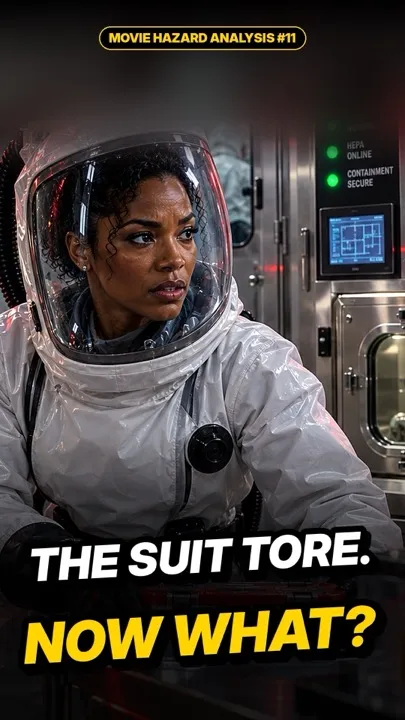
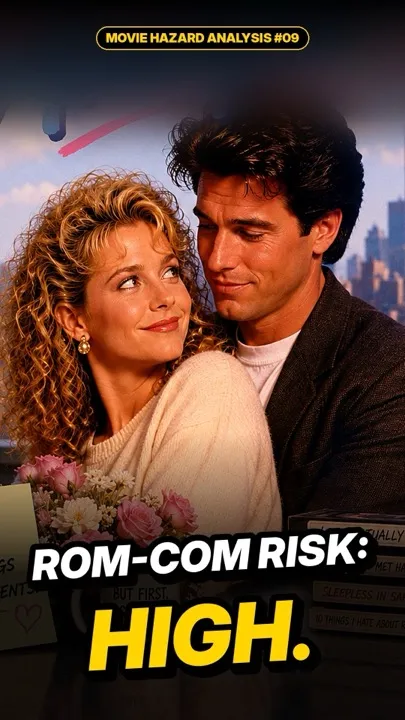
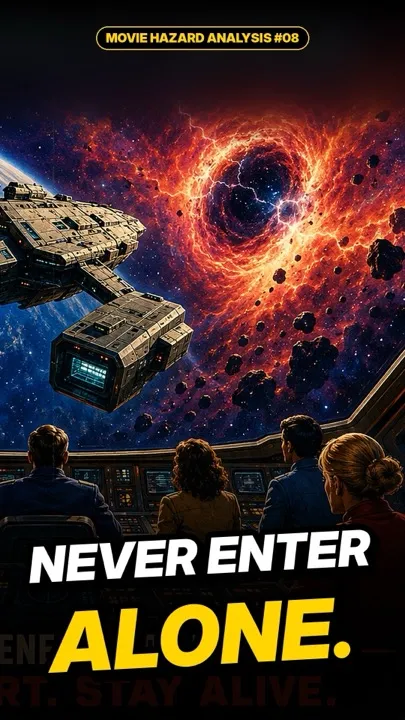
Famous movie scenes, run as if they were real work orders. Each short puts one scene through a full Job Hazard Analysis: the job steps, the hazards, the controls, and the risk before and after. The explosions get the attention. The JHA finds the hazard everyone missed.

The scene is written up as a job: who is there, what they are doing, and the steps it takes. Then each step gets its hazards.
Each step is scored as the scene presents it, before any controls, on probability × severity. The highest step sets the band: Low, Medium, High or Critical.
Controls follow the hierarchy: elimination, substitution, engineering, administrative, then PPE. In this series, the control that moves the risk most is often the plainest one: don’t start the job.
The score after the controls. When it barely moves, the JHA is telling you the job can’t be made acceptable as planned — and that is a result, not a failure.
Want to see the matrix? Rate a hazard on the JHA Rapid page with the same ANSI/AIHA Z10 and MIL-STD-882E matrices the app uses.
Every episode runs about half a minute and ends on a lesson that transfers to real work. Use one to open a safety meeting.
Everyone knows the movie. Nobody has seen it as a work order.
What would you stop first? Which hazard does nobody in the scene notice?
Open the episode page for the steps, controls and the real-work takeaway — and, where it’s posted, the full JHA as a free PDF.
A short video series that treats a famous movie scene as if it were a real work order. Each episode runs the scene through a Job Hazard Analysis (JHA): the job steps, the hazards in each step, the controls, and the risk before and after those controls.
From the JHA itself. Each analysis is generated in JHA Rapid, and every hazard, control and risk number shown in an episode comes from that document. Nothing is invented or rounded for effect.
Initial risk is the hazard as the scene presents it, before any controls. Residual risk is what is left after the controls in the JHA are applied. When the two numbers barely move, that is the lesson: the controls available were not enough, and the job should be changed or not done.
Those episodes are scored on MIL-STD-882E, the military system safety standard JHA Rapid uses for military work. Its Risk Assessment Code runs the other way from a civilian matrix: a lower number is worse (1 High, 2 Serious, 3 Medium, 4 Low, 5 Negligible).
It is commentary and hazard analysis of fictional scenes as depicted. The lessons carry over to real work, but the underlying JHAs are AI-assisted and are not compliance documents. Any JHA for real work must be reviewed by a qualified safety professional who knows the site.
Yes, the videos are free to watch and share from YouTube. They make a quick opener for a toolbox talk: play the scene, ask the crew what they would stop first, then compare their answer with the JHA. Many episode pages also offer the full JHA as a free PDF to hand out.
No. Each episode is commentary on a fictional scene. There is no affiliation with any film or its rights holders.
A new Movie Hazard Analysis comes out every week on YouTube and LinkedIn. Subscribe on YouTube to catch each one, or check back here.
Every episode’s analysis was generated in JHA Rapid. Describe your task and get a structured draft — steps, hazards, controls, initial and residual risk — ready for your review. Free to download on iPhone and iPad.
